
The Egyptian Cowboy & Obra: How Chef Kareem El-Ghayesh Bridges Flavors and Bonds of Egypt, Mexico and Texas
By Giovana Alcazas | Journalist, History Student, Obra’s Storyteller
Chef Kareem El-Ghayesh, The Egyptian Cowboy, has the best of three worlds: born and raised in Cairo, Egypt, one of history's most influential cities; based in Austin, TX, the Lone Star State’s eclectic capital where he runs his trailblazing barbecue business, KG BBQ; embedded in the culture of Mexico City, MX, where his one-of-a-kind Obra Custom Kitchen Island was tailored.
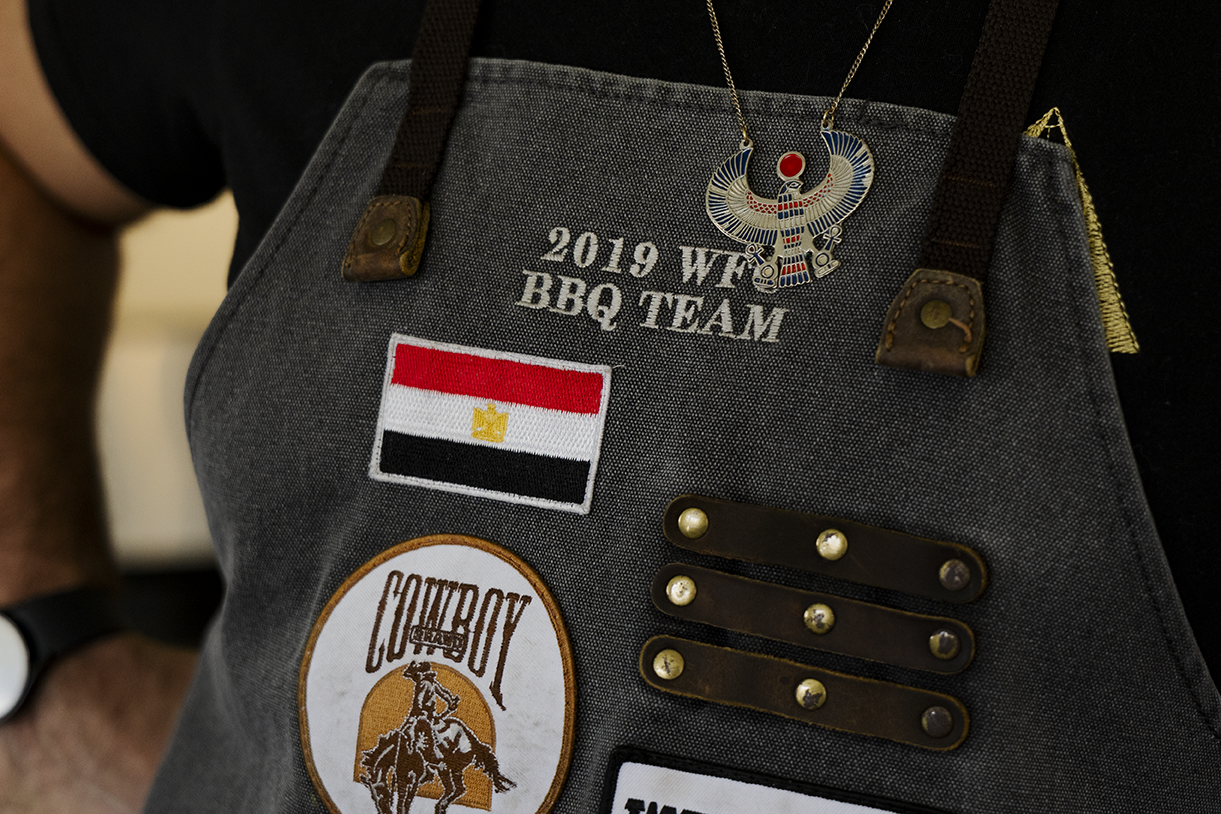
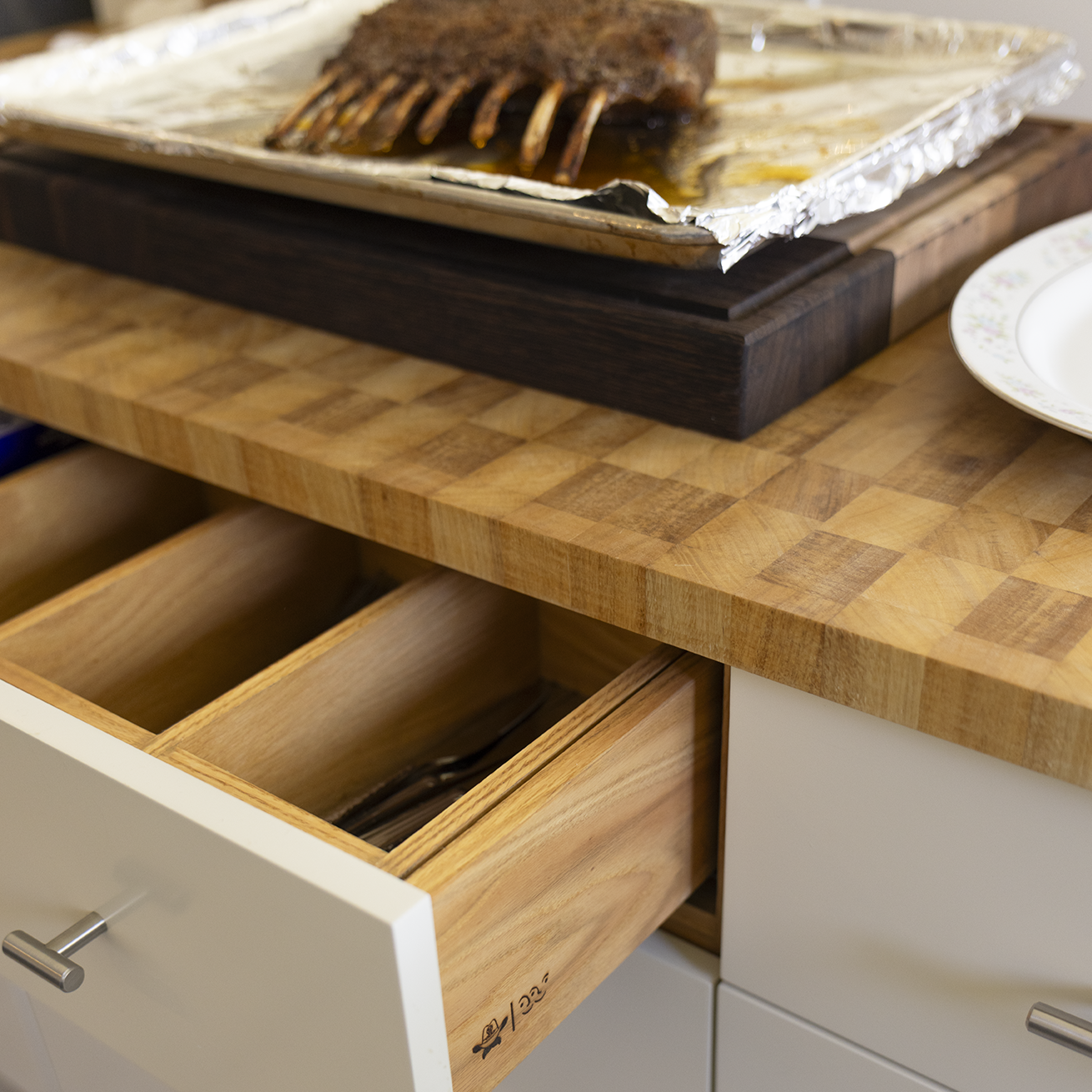
Chef Kareem El-Ghayesh’s Custom Kitchen Island
Kareem chose Obra to create his Custom Kitchen Island, designed and built for his rituals. Crafted from Maple wood, Benjamin Moore Fossil Beige, and Rubio Monocoat finish, his custom piece complements his existing blue cabinets. His Obra Island features a produce drawer for fresh ingredients, open shelving to display special tableware, an integrated waste drawer to optimize meal preps, and custom drawer inserts that are perfect for his at-home BBQ preparation.
Inspired by Chef Kareem’s legendary private dinners, Obra developed the Raised Bar countertop extension that is ideal for his hosting rituals. It creates a true chef’s-counter serving experience in his personal kitchen. This special part of his Custom Kitchen Island was affectionately dubbed “Kareem’s Kounter”.
“Obra took what I had to the next level, elevated my lifestyle and what I do”, he said. “Working with Obra was a very easy decision to make, because the way the pieces are customized and respect your rituals is beautiful.”
This partnership thrived amidst such distinct, yet kindred cultures—the bold, smokey flavors of Texas, Mexico, and Egypt; the Ancient History that bridges Egypt and Mexico; and the enduring culture exchange between Mexico and Texas. Each detail tells a story, and each story carries the weight of this magnificent triad.
A Match Made in History
For Chef Kareem, the beautiful coincidences and intersections between these distant cultures go far beyond the present landscape. His journey took an exceptional turn over a decade ago, when Kareem moved to Austin, Texas, to pursue his barbecue dream: he quit his banking job in Cairo and embraced a whole new world. He enrolled in culinary school after falling in love with Texas BBQ.
Immersed in the Tex-Mex atmosphere that lingers over his new city, he gained recognition and became an internationally acclaimed Chef, making an impression with his unique take on Texas BBQ mixed with strong Egyptian flavors and techniques. Meeting new friends in Mexico and traveling around the country sparked a strong, personal connection between Mexico, Egypt, and Texas.
When Obra Met Kareem
Before his iconic KG BBQ food truck, Kareem hosted private tasting menu supperclub meals at his home, serving friends and fans. At the time, it was a great way to showcase his breadth of cooking, connect with his audience, and grow grassroots excitement for his forthcoming barbecue adventures.
Considering this trajectory, most people know Chef Kareem as a trailblazer on the BBQ scene. But did you know he has also made a name for himself as one of the best two-step country dancers in Central Texas?
Not only a master of the smoker, Kareem is also a legend at Blues dancing and two-stepping. While one might assume that Obra Fam & Kareem first connected through their obvious shared passion for gastronomy, their story actually began at the honky tonks in Austin, TX. It was there that he first met Sammy, one of Obra’s co-founders and a fellow two-stepper. This friendship set the tone of the vibrant synergy that followed. With their shared interests in food, music, and community, a collaboration between Obra and Kareem was an obvious next step.
With his supperclub meals in mind, Obra worked with Kareem to create a Custom Island worthy of hosting these special events and his daily rituals.
If you wish to do the same, please, check out our Client Input Form to create your very own Custom Kitchen Island, perfectly designed and built for your rituals.
Origin & History: Conversations With the Chef
Food has always been a fundamental part of Kareem’s life. He grew up to be an adventurous diner, ready to try anything at least once. He credits his mother for this unique trait. “My mom did a wonderful job in introducing me to all ingredients”, he told Obra. “I grew up with no fear of eating anything, and I’m really grateful for that.”
During our conversations, Kareem also revealed the story of KG BBQ’s best selling dish: KG’s signature Brisket Rice Bowl. Since he was a child he loved to eat from a big bowl, tasting a little bit of everything in one single bite. Years later, already hosting amazing events as KG BBQ, he prepared bowls with rice, meat, salad, and garnishes for his staff to feed before cleaning up after a long day. They sat down to eat, looked at each other, and something clicked—it was unbelievably good, and it had to be on the menu. “This is how I loved eating as a child, and it turns out people love it too.”
This strong connection to his homeland life is a huge part of what he expects people to feel when they go to KG BBQ. Kareem sees the community aspect as one of the most important things about food.
“This is something that exists in Egyptian, Texan and Mexican culture, but not as much as I would like”, he admitted. “My deep passion for food stems out of the love for hosting—gathering your family and friends around you, and creating something from your hands.”
Kareem loves everything that comes with this ritualistic experience: creating something, sharing your creation, and spending the next few hours sitting down at the table, sharing stories, creating memories, and laughing with your loved ones. When he cooks his unique Egyptian take on Texas BBQ, the food is not the only thing in play: it’s also about slowing down, taking your time, and enjoying the company of whoever’s around you.
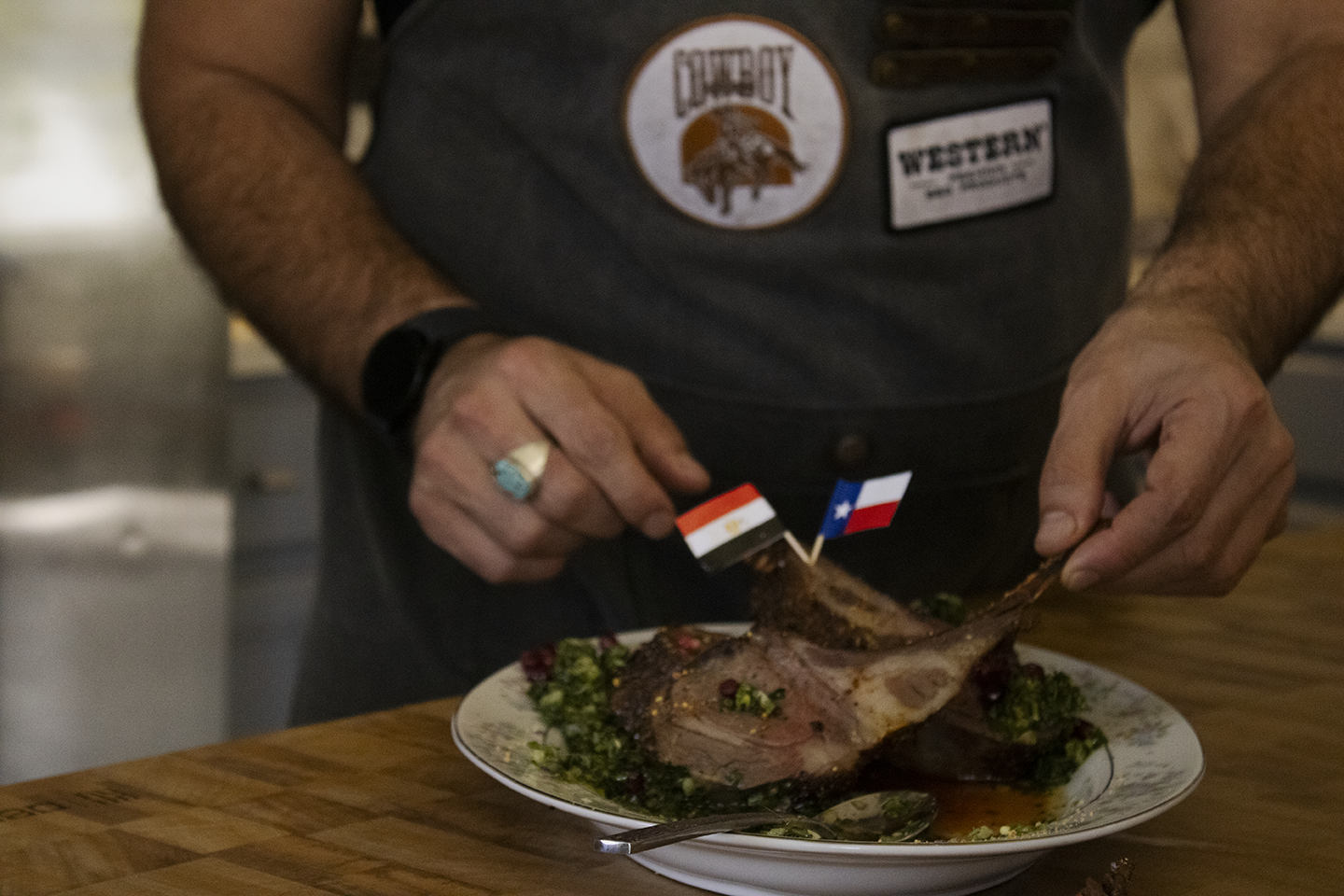
Land of the Sun + Gift of the Nile + Lone Star State
Even 7.7 thousand miles apart, Egypt and Mexico have endless connections. Though they developed and reached their epitome nearly 3 thousand years apart in unacquainted lands, these two Ancient civilizations share many confluences. The Land of the Sun also walks hand in hand with its beloved neighbor, Texas—more than two centuries of intertwined history, a shared border of 1,200 miles, and significant geographical ties, weave a web of happy coincidences.
Cuisine
When it comes to food, these three lands converge on several staples. To name a few:
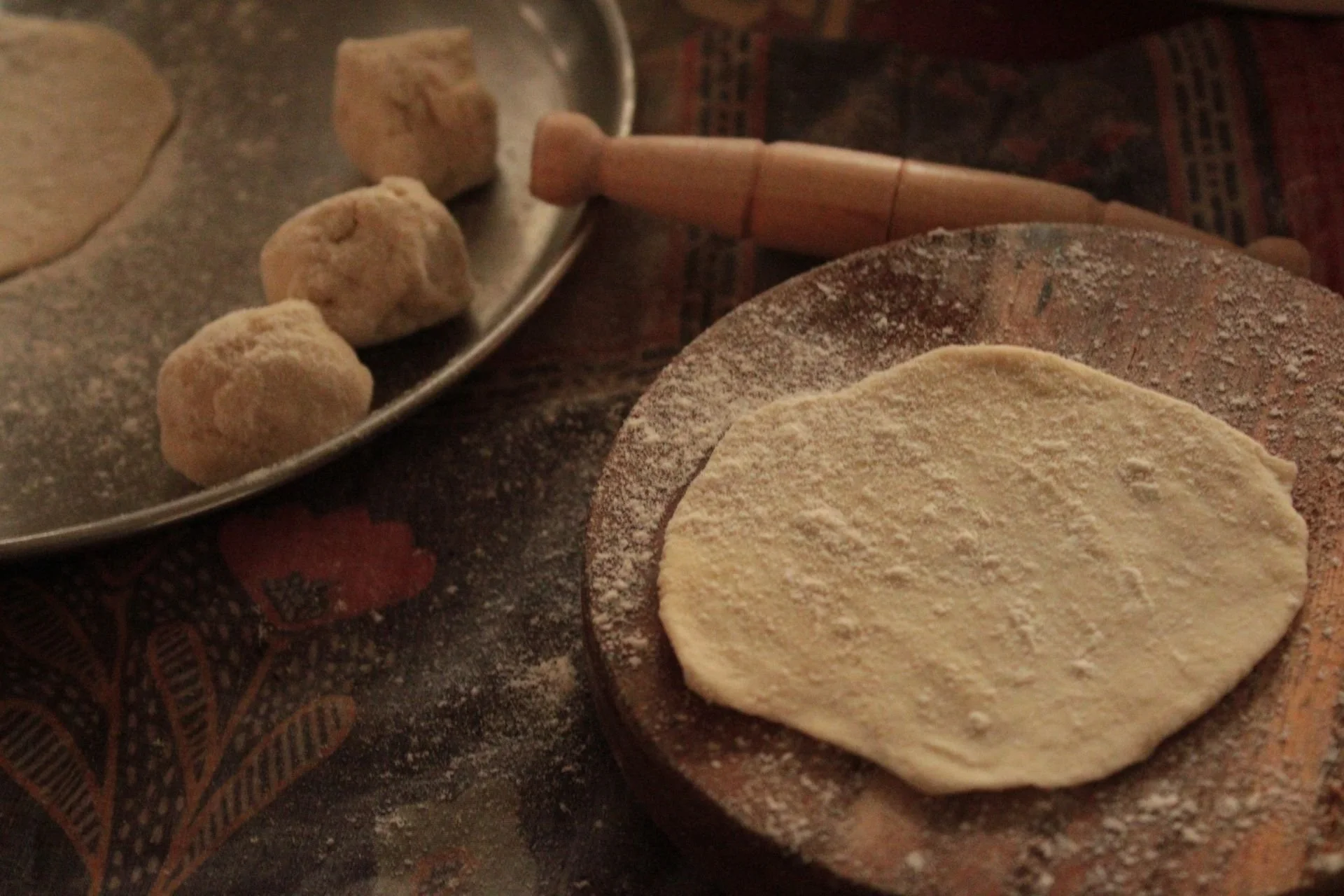
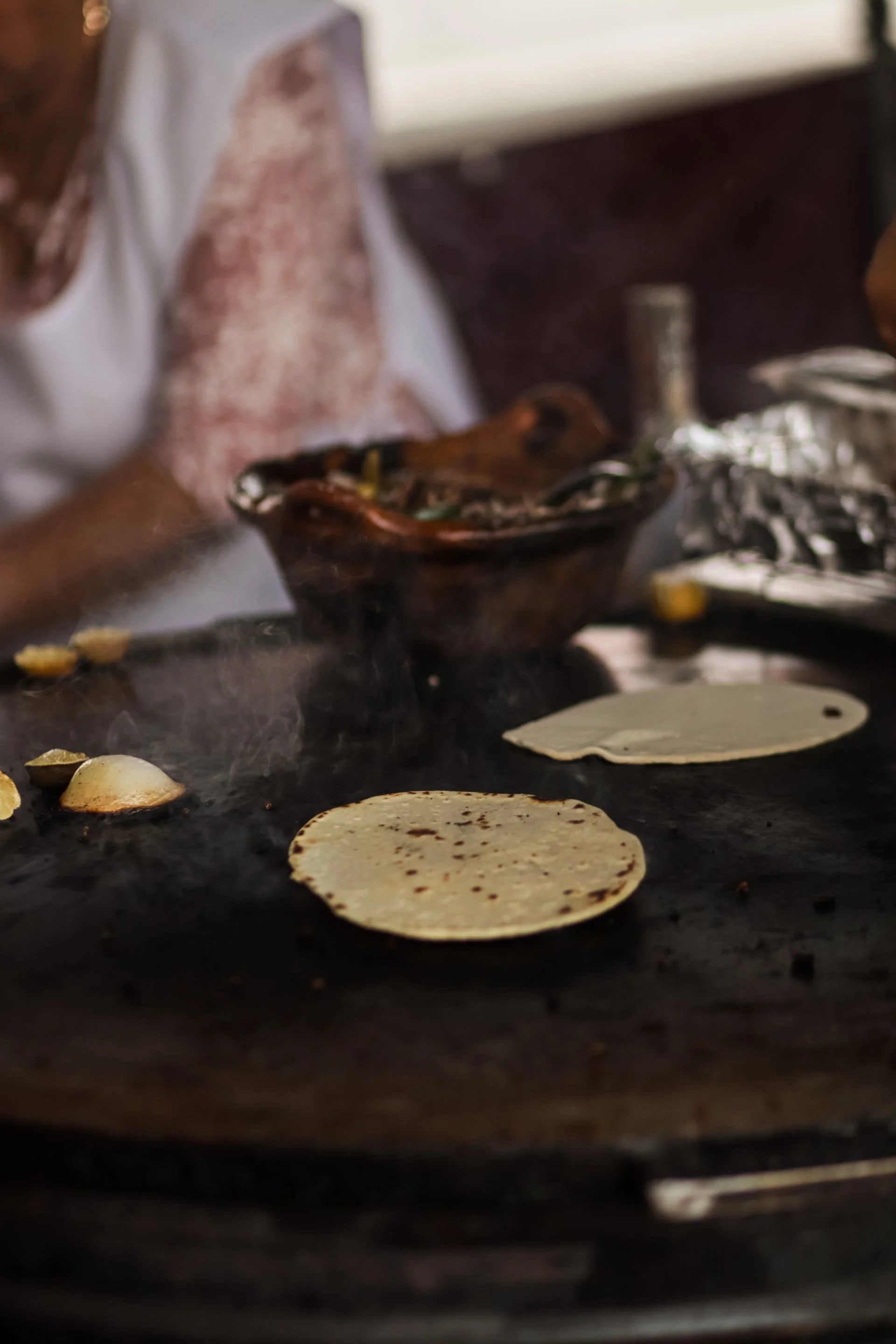
Flatbread: Aish Baladi (pita) in Egypt; corn tortilla in Mexico, flour tortillas in Northern Mexico and Texas.
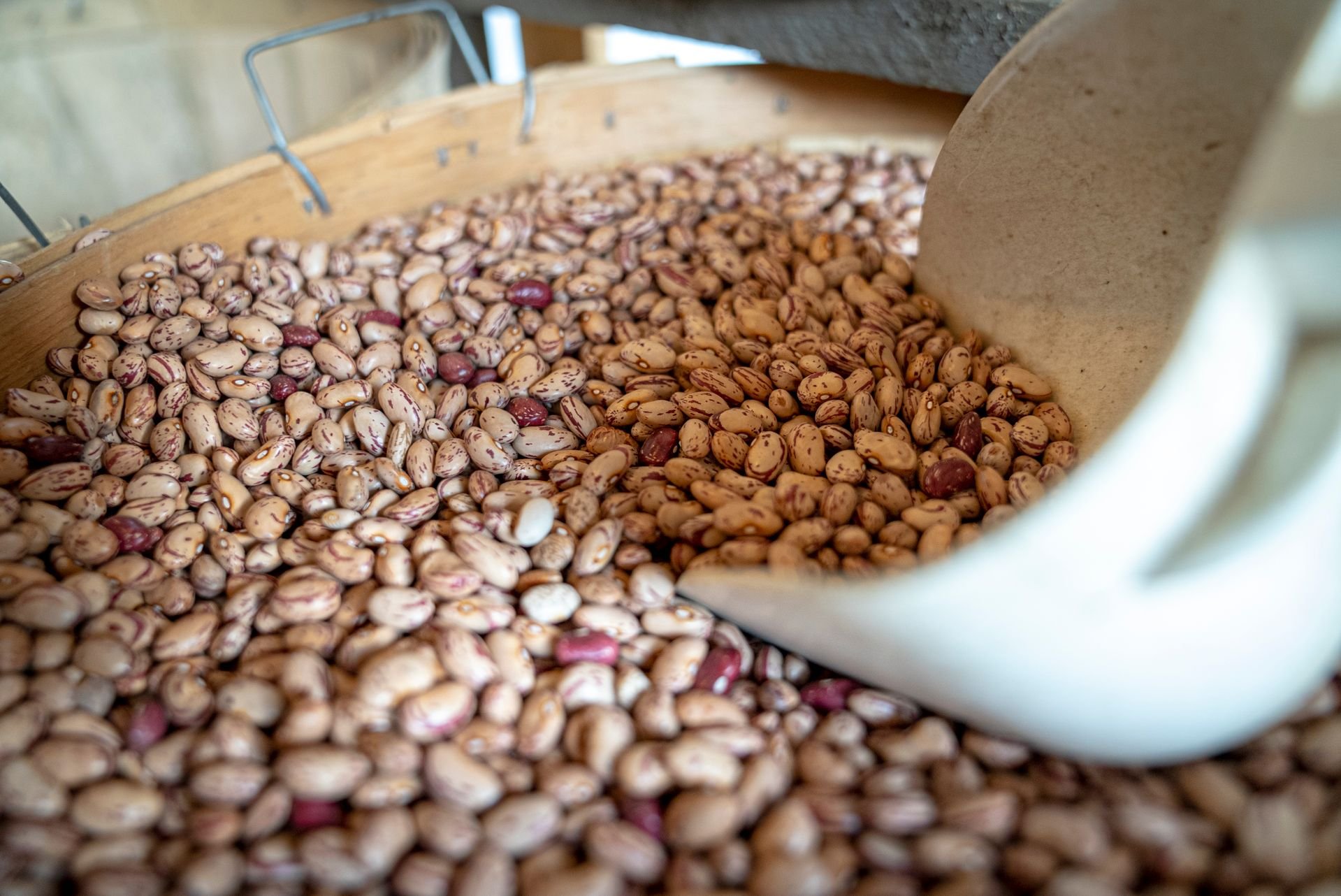
Bean-centered meals: fūl in Egypt; frijoles in Mexico; cowboy beans in Texas.
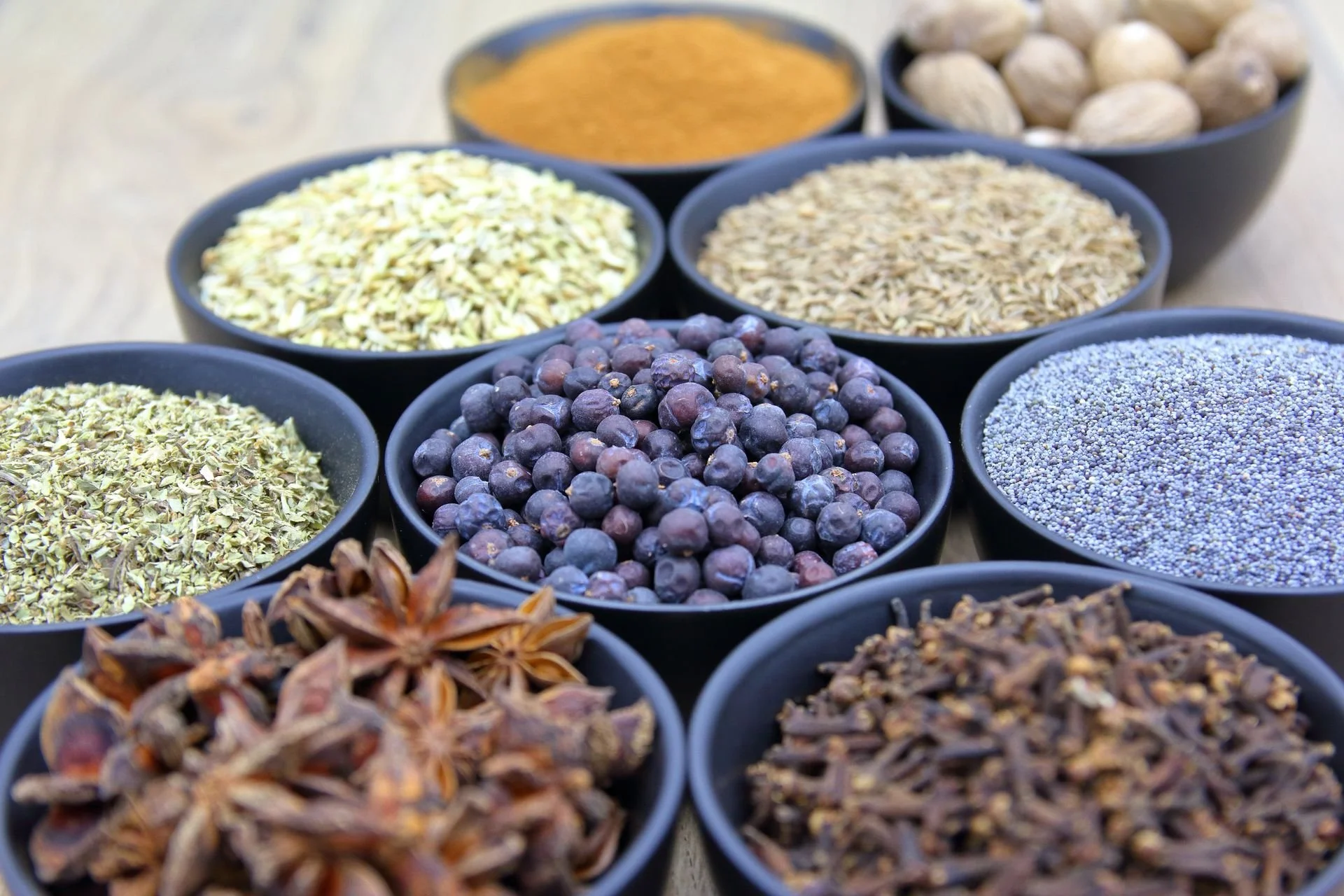
Spices: turmeric, cumin and saffron in Egypt; cumin, cilantro and jalapeños in Mexico; garlic, cayenne pepper and chili powder in Texas.
Kareem’s slogan, Egypt Meats Texas, is itself another great example of shared food between those places: the connection between grilled and spit-roasted meats. Texan BBQ, Mexican asada & pastor, Egyptian shawarma & kofta—Chef Kareem has done a phenomenal job combining aspects of these staples and methods into memorable meals at his restaurant, KG BBQ.
Cowboy Culture
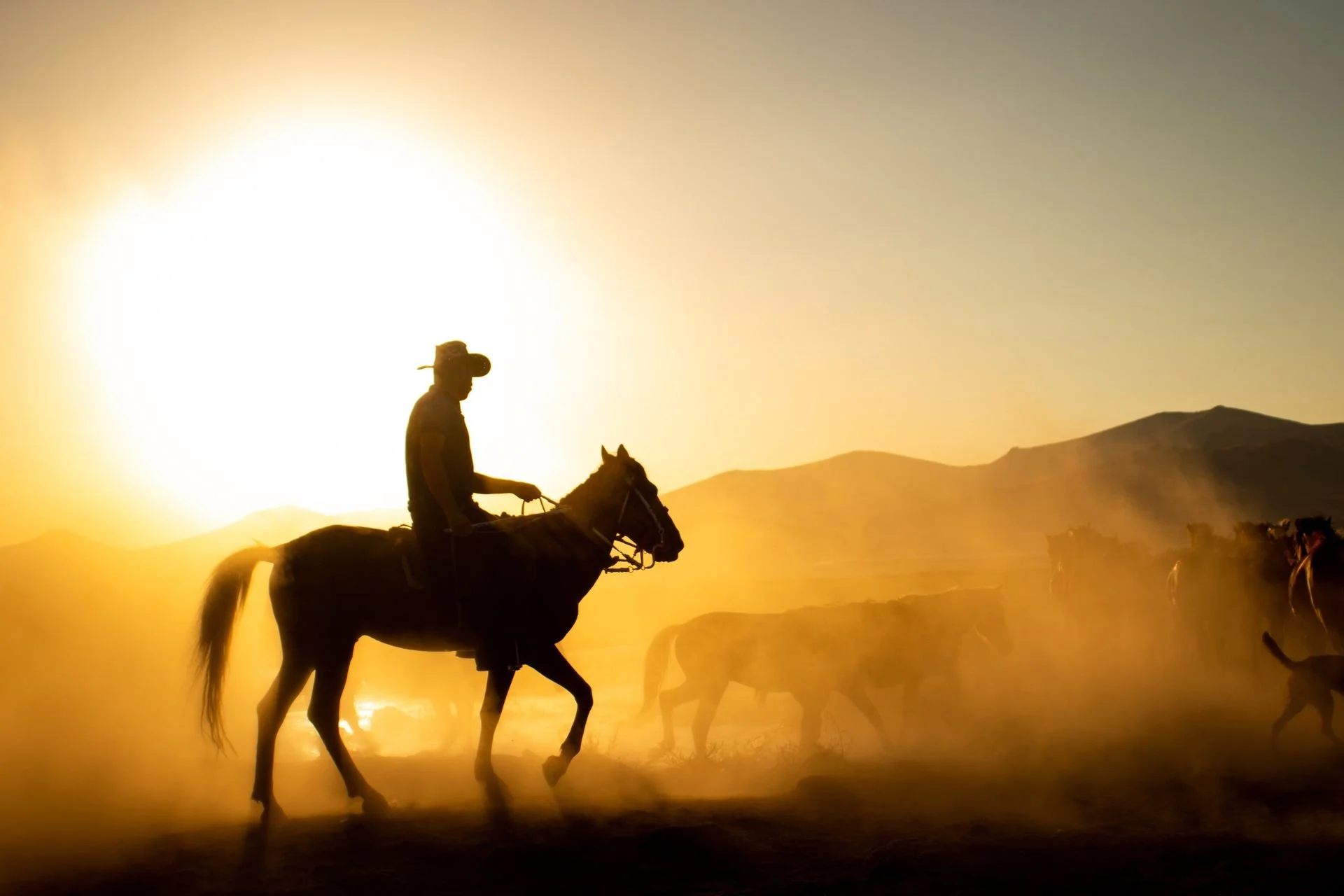
Texas cowboy culture shares the same roots as Mexico’s vaqueros: native Mesoamericans were among the first Spanish-trained vaqueros in the continent, herding cattle with unmatched ability and wielding the lasso with effortless precision.
In a similar intersection, Egypt has been home to the Bedouin people, one of the most ancient cultures in the world, for thousands of years. “Bedouin” originates from the arabic word بَدَوِيِّين, and means inhabitants of the desert.
The Bedouin, a nomadic group native to North Africa and West Asia, are known as the original people of these lands. Their history dates back to Ancient Egypt, and they relate closely to cowboys and vaqueros when it comes to herding animals. Instead of cattle, they herd goats and flocks of sheep; when it comes to riding, their mount of choice are camels, animals that can travel for months without food or water, which is extremely important while traveling through the desert.
The Bedouin culture is truly unique—the Egyptian government does not interfere with them, since they live by their own government, with specific rules, cities, and traditions.
To this day, both Mexican and Texan heritages have not only fed the horsemanship culture of both regions, but also, it has forged the specific, expert definition of a master of the saddle, guiding countless cattle, and commanding the ranching environment. As for the Bedouin, they are themselves an act of resistance and culture. Inspired by these iconic figures, Chef Kareem El-Ghayesh is known worldwide as The Egyptian Cowboy.
Language
For nearly 800 years the Moorish, mostly Muslims of Arab and Berber descent, ruled significant parts of the Iberian Peninsula, current Spain and Portugal. From 711 AD to 1492 AD, these territories came under the heavy influence of the Moors and their culture, social structures, and their languages.
When the Spanish first arrived in the territory we know today as Mexico and Texas, around 1519, the Arab influence over their language was clearer than ever. This intertwinement resulted in strong connections across cultures of many words and terms we use daily—in fact, about 8% of all modern Spanish language comes directly from Arabic.
Here are a few of the nearly 4000 shared words between Spanish and Arabic!
¡Ojalá! is a popular expression used by Spanish speakers in Mexico and Texas, and it means “I hope so” or “hopefully”. The word derives from the Arabic phrase used in Egypt, inshālla (ان شاء الله), meaning “If God wills”.
Alcázar is a Spanish fortress or palace, built during the Muslim rule. It comes from Arabic al-qaṣr (القصر—“the castle” or, as in Spain, “the palace”). The most famous Alcázar in Spain is Real Alcázar de Sevilla.
Azafrán (saffron), a fundamental spice in Texas, Mexico and Egypt, is a derivative of az-za’farān (اَلزَّعْفَرَان), ultimately derived from Persian.
Brújula means compass, and its origin is the Arabic word bousola (بوصلة).
Beliefs and Religion
The Mexica (popularly referred to as Aztecs) and the Egyptians were polytheist, revering a variety of gods that share a handful of similarities. For starters, both civilizations revered solar deities: Huitzilopochtli in the Mexica empire, and Ra in Egypt. Both gods are considered the paramounts of their religions.
Aside from their Solar Pan-Deities, Mexican and Egyptian culture share a handful of similar gods and beliefs, such as:
Gods of Wisdom:
In Egypt, Thoth was the god, and Seshat was the goddess of wisdom. Thoth was also associated with inventions, writing and literature, the Moon, and languages; Seshat, to arithmetics, architecture and writing—her name means “the one who writes”.
In Mexico, this position belonged to Quetzalcóatl, who was also linked to the air and the wind, to writing, and to learning, also known as the God of Books.
Gods of Rain:
In Egypt, the goddess of rain was called Tefnut. She was also the goddess of moisture and dew, associated with water itself, as well as the goddess of fertility.
Tláloc is the Mexica god of rain and, much like Tefnut, he’s generally linked to earthly fertility and water, worshipped as a giver of life.
Gods of Agriculture:
The Egyptian deity of agriculture is Osiris, said to have taught his craft to humans. He was, too, related to fertility and known as the God of the Afterlife. Renenutet is also closely linked to agriculture, hailed as the Egyptian goddess of harvest and nourishment.
To ancient Mexicans, Xipe Totec was their agriculture divinity, also linked to spring, vegetation, fertility, and abundance.
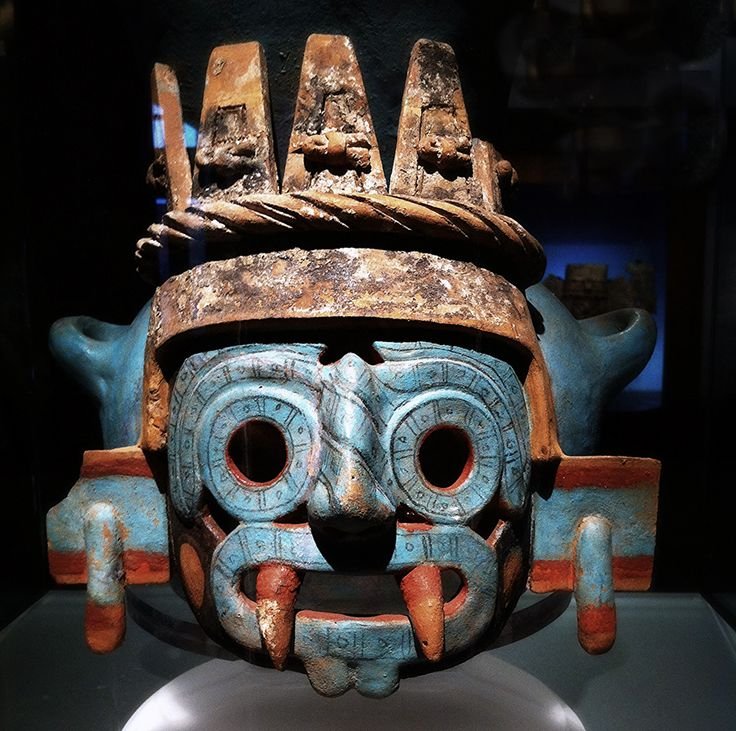
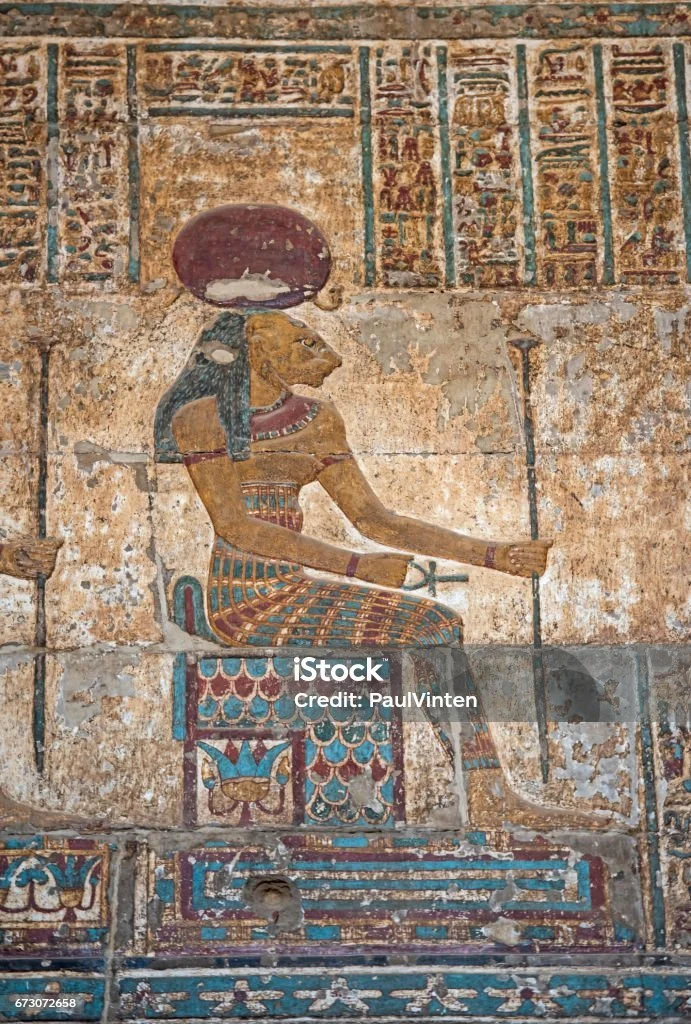
Tláloc, Mexica god of rain & Tefnut, Egyptian goddess of rain
Architecture
The pyramids are, undoubtedly, one of the most striking coincidences between Egypt, Mesoamerica and North America. Not only the Mexica, but also the Maya, who used to inhabit the southeast of Mexico and a few Central American regions, share similarities with Egyptian architecture. Mexica, Maya and Egyptian civilizations built staggering pyramids, strongly connected to their cosmovision and spiritual beliefs. There’s even deeper discussion around the subject, suggesting some of these ancient peoples built their pyramids aligned with the Orion constellation.
Although the similarity of the pyramids is astounding, they were built for distinct purposes: the conventional understanding is Egyptian pyramids were tombs for their Pharaohs, and Mexican and Mayan pyramids were built for religious ceremonies, often stepped with a temple on a flat top.
Beyond the iconic pyramids, the cultures share a striking, vast architectural vocabulary: extremely developed urban spaces, monumental structures, the use of stones for construction, monoliths, detailed decorations using paint and carving, and strong connection to irrigation systems.
Many of these architectural features are also rooted in Texas’ history, thanks to the Caddo, a pre-Columbian confederacy of native Americans that inhabited modern-day Texas, Louisiana, Arkansas and Oklahoma for over a century. Reaching past architecture, Texas was named after the Caddo word “tayshas”, meaning “friend” or “ally”.
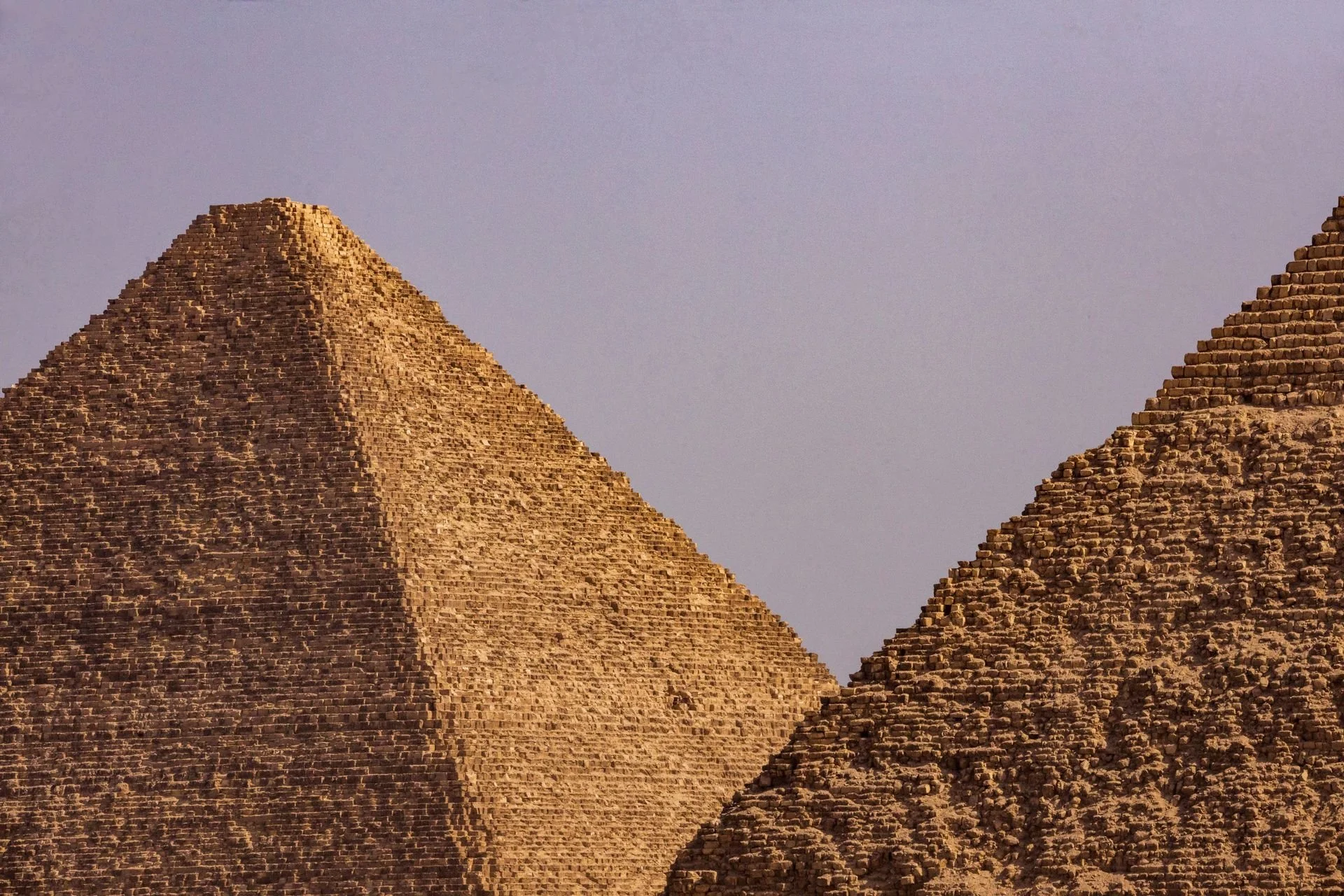
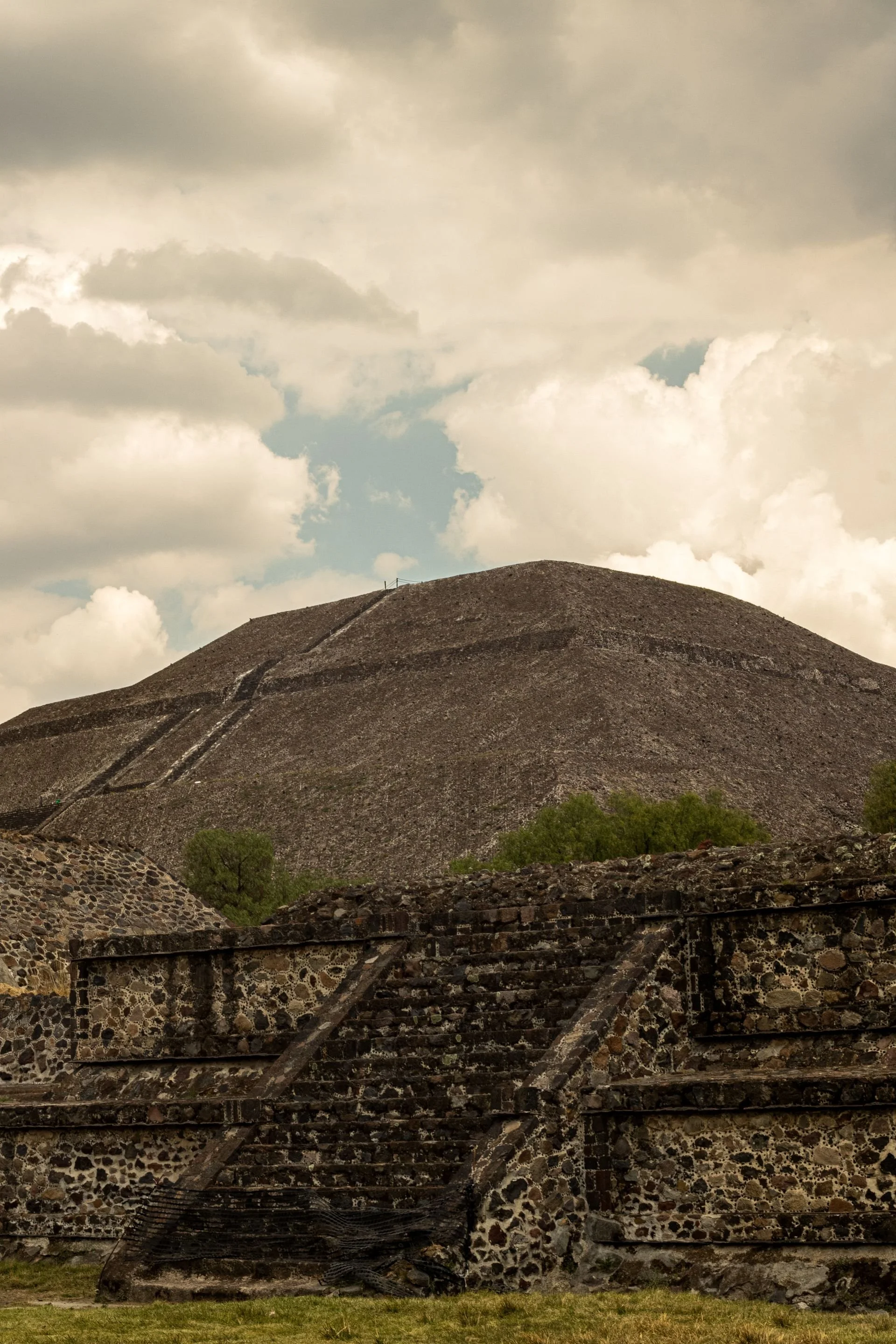
Pyramids of Giza & Pyramid of the sun, Teotihuacán
Language, beliefs, deeply rooted cultures, traditions, architecture, engineering, cuisine, arts—these are just a few of the countless connections Mexico, Egypt and Texas have collected throughout the years.
Obra Fam is proud to call Chef Kareem a friend, and we enjoyed learning more about Egypt through this collaboration. At Obra, we deeply care about your culture, your story, and what your Obra piece means to you. We are passionate about the differences and the similarities that lie between all of us.
Please, contact us at howdy@obraprojects.com and tell us all about your roots, your dreams and your rituals, and visit our Client Input Form to help us create your Custom Kitchen Island. We deliver and install across the USA and Mexico.
To know more about Chef Kareem El-Ghayesh, check out his oven-roasted lamb recipe he shared with us during our collaboration!
Let’s make something special.
Obra
Instagram: @obraprojects
Facebook: Obra Projects
TikTok: @obraprojects
KG BBQ
Instagram: @kgbbq
Facebook: KG BBQ
TikTok: @kgbbqtx
About the Author
Giovana Alcazas is a Brazilian journalist & student of History. Gio is passionate about informative articles, profiles and features, educational content, and deep-diving into each client’s rituals.
References
Shmueli, Deborah & Khamaisi, Rassem. (2011). Bedouin Communities in the Negev. Journal of the American Planning Association. 77. 109-125. 10.1080/01944363.2011.567890.
Native Threads, March 2026, Bedouin Life: Nomadic Culture Across Arabia, Palestine and the Sahara. <https://nativethreads.co/blogs/blog/bedouin-life-nomadic-culture-across-arabia-palestine-and-the-sahara?srsltid=AfmBOop7NCqbyXDruKNgzpduC26D-OeuSVg6uHtSnahDCOWo-p8EpmCj>